

The AI-Powered Enterprise: Why Ignoring Hyper-Personalization Will Cost You Your Market Share by 2026
In today's hyper-connected, data-rich world, customer expectations have never been higher. The generic, one-size-fits-all approach to marketing and customer engagement is not just outdated; it's a fast track to irrelevance. As we hurtle towards 2026, the imperative for businesses—especially those navigating the dynamic Indian market—is clear: embrace AI hyper-personalization strategy or risk being left behind.
At Talkbeyond.blog, we believe that the future of business isn't just about adopting AI; it's about intelligently leveraging it to create unparalleled, individual-level experiences. This isn't merely about addressing customers by their first name; it's about predicting their needs, understanding their context, and delivering precisely what they want, exactly when they want it. Ignoring this paradigm shift is not just a missed opportunity; it's a direct threat to your market share by 2026.
Key Takeaways for the AI-Powered Enterprise:
- Hyper-Personalization is a Mandate: Generic customer approaches are obsolete; AI-driven individualization is key to survival and growth.
- AI is the Engine: Machine Learning and predictive analytics are essential for anticipating customer needs and tailoring dynamic experiences.
- Indian Market Readiness: The digitally mature Indian consumer demands highly relevant, personalized interactions.
- Tangible Business Impact: Expect increased CLV, new revenue streams, and significant operational efficiencies.
- Strategic Imperative: A robust data strategy, smart tech investments, and an AI-ready culture are non-negotiable.
The Dawn of the Hyper-Personalized Era: Beyond Basic Segmentation
What is Hyper-Personalization, Really?
Forget the rudimentary segmentation of the past, where customers were grouped into broad demographics. Hyper-personalization is the evolution of this concept, driven by real-time data, artificial intelligence, and machine learning. It's about moving from 'segments of customers' to 'segments of one' – understanding each individual's unique preferences, behaviors, and needs across every touchpoint.
This goes beyond simple recommendations. It involves dynamic pricing based on individual willingness to pay, personalized product bundles, custom-tailored content on websites and apps, and even proactive customer service interventions, all orchestrated by sophisticated AI algorithms. It's the ultimate form of personalized customer journeys AI can deliver.
The Indian Consumer: A Rapidly Evolving Landscape
India presents a unique and fertile ground for hyper-personalization. With one of the fastest-growing digital economies, a burgeoning e-commerce sector, and a mobile-first population, Indian consumers are tech-savvy and accustomed to convenience. They expect their digital experiences to be intuitive, seamless, and, crucially, relevant.
Consider the success of platforms like Flipkart and Amazon India, which use advanced algorithms to recommend products. Or Jio, which has redefined telecommunications with personalized plans and content. Even local food delivery giants like Swiggy and Zomato excel at personalized restaurant suggestions and offers. These examples are just the tip of the iceberg; the Indian consumer's appetite for bespoke digital interactions is insatiable, making AI-powered customer experience India a critical battleground for market leadership.
The AI Engine: Fueling Unprecedented Personalization
Predictive Analytics: Anticipating Customer Needs
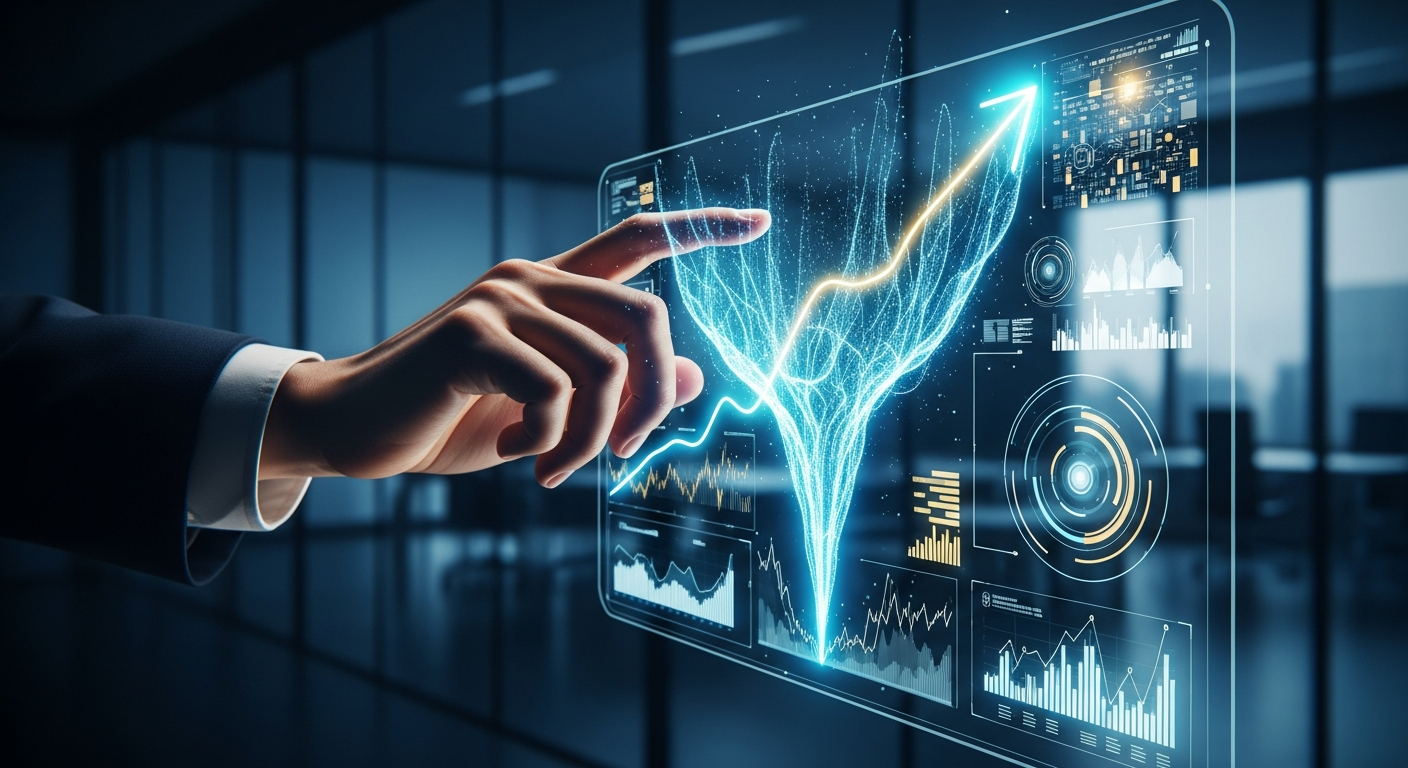
At the heart of hyper-personalization lies predictive analytics, powered by AI and ML. Instead of reacting to customer behavior, businesses can now anticipate it. AI models analyze vast datasets – browsing history, purchase patterns, social media interactions, demographic data – to forecast future actions, identify potential churn risks, or predict the likelihood of conversion.
Imagine an e-commerce platform that not only suggests products you might like but also predicts when you're likely to run out of a staple item and offers a discount just in time. Or a financial institution that proactively recommends a specific investment product based on your life stage, spending habits, and market trends. This proactive approach, driven by AI, transforms the customer relationship from transactional to truly anticipatory, significantly boosting customer lifetime value (CLV).
Machine Learning in Action: Dynamic Content & Product Recommendations
The ubiquity of platforms like Netflix and Spotify has conditioned consumers to expect highly curated experiences. This expectation now extends to every interaction with a brand. Machine learning algorithms are the secret sauce, continuously learning from user interactions to refine and optimize recommendations in real-time.
- E-commerce: Displaying unique product carousels, personalized landing pages, and dynamic pricing based on individual purchase history, browsing behavior, and even external factors like weather. A leading Indian fashion retailer, for instance, uses ML to suggest outfits tailored to a user's style preference, size, and local climate.
- Content Marketing: Tailoring blog posts, whitepapers, and video recommendations based on a user's previous engagement with your content, industry role, and expressed interests.
- Email Marketing: Crafting personalized subject lines, body content, and call-to-actions based on individual open rates, click-through history, and stage in the customer journey.
Marketing Automation Reimagined: Intelligent Customer Journeys
Traditional marketing automation often relies on predefined rules. AI revolutionizes this by introducing intelligence, making automated journeys truly adaptive and responsive. Marketing automation personalization becomes seamless, allowing businesses to orchestrate complex, multi-channel customer interactions that feel entirely natural and relevant.
From initial lead nurturing to post-purchase support, AI can trigger personalized emails, SMS messages, in-app notifications, or even chatbot conversations based on real-time user actions and inferred intent. A B2B SaaS company, for example, might use AI to automate onboarding sequences, tailoring tutorials and feature highlights specifically to a new user's role and initial usage patterns, drastically improving adoption rates and reducing churn.
The Business Imperative: Why Delay is a Death Sentence
Enhanced Customer Lifetime Value (CLV) & Retention
Personalized experiences foster loyalty. When customers feel understood and valued, they are more likely to stay with a brand, make repeat purchases, and spend more over time. AI-driven hyper-personalization significantly reduces churn by proactively addressing potential pain points and consistently delivering relevant value, directly impacting customer retention and CLV.
Unlocking New Revenue Streams & Market Share
The ability to present highly relevant cross-selling and up-selling opportunities is a direct consequence of hyper-personalization. By understanding individual needs, businesses can introduce new products or services that genuinely resonate, leading to increased transaction values and new revenue streams. Companies that master this will inevitably gain a significant increase market share with AI, outmaneuvering competitors stuck in generic marketing.
Consider how a fintech startup, leveraging AI to understand individual financial goals and risk appetites, can offer bespoke loan products or investment portfolios, attracting a segment of the market underserved by traditional, less agile banks.
Operational Efficiency & Cost Reduction
While often seen as a customer-facing strategy, hyper-personalization also drives internal efficiencies. Automating personalized outreach reduces the manual effort of marketing and sales teams. Optimized ad spend, driven by highly targeted campaigns, ensures marketing budgets are utilized more effectively, reducing wasted impressions.
Furthermore, by proactively addressing customer needs and providing relevant information, AI can reduce the load on customer service, allowing human agents to focus on more complex issues, thereby enhancing overall operational agility and cost-effectiveness for enterprise AI adoption benefits.
Navigating the Future: Steps for the AI-Powered Enterprise
Data Strategy First: The Foundation of Personalization
Hyper-personalization is only as good as the data it's built upon. Businesses must prioritize collecting, cleaning, and integrating data from all customer touchpoints – online, offline, social, transactional. A unified customer profile, powered by a robust Customer Data Platform (CDP), is the bedrock. Equally critical is a strong focus on data privacy and ethical AI practices, especially in the evolving regulatory landscape of India.
Investing in the Right AI & ML Technologies
The market is flooded with AI tools. The key is to identify solutions that align with your business goals and customer experience vision. This might involve investing in advanced analytics platforms, AI-powered marketing automation suites, or building custom ML models. Starting with pilot projects and iterating based on results is a pragmatic approach.
Fostering an AI-Ready Culture
Technology alone isn't enough. Organizations must cultivate a culture that embraces data-driven decision-making and continuous learning. This means investing in training for employees, fostering cross-functional collaboration between marketing, sales, IT, and product teams, and securing leadership buy-in to champion the digital transformation journey.
Conclusion: The Hyper-Personalization Imperative for 2026
The clock is ticking. By 2026, businesses that fail to adopt an advanced AI hyper-personalization strategy will find their market share eroded by more agile, customer-centric competitors. This isn't a prediction; it's an inevitability. The Indian market, with its discerning digital consumers, offers immense opportunities for those who lead with AI, and harsh consequences for those who lag.
The future of enterprise success hinges on understanding and serving the individual. Leverage AI, embrace machine learning, and transform your marketing automation into intelligent customer journeys. The time to act is now, to secure your place as a leader in the AI-powered enterprise. Talkbeyond.blog is here to guide you through every step of this transformative journey.
Frequently Asked Questions (FAQ)
A1: Personalization typically involves segmenting customers into broad groups based on demographics or basic behaviors (e.g., "customers who bought product X"). Hyper-personalization, powered by AI and real-time data, goes far deeper, creating a "segment of one" by understanding and predicting individual needs, preferences, and context across all touchpoints, often dynamically and in real-time.
A2: Small businesses can start by focusing on specific, high-impact areas. Begin with robust data collection from your website, CRM, and social media. Utilize affordable, off-the-shelf AI-powered tools for email marketing automation (e.g., Mailchimp, HubSpot with AI features) or website recommendation engines. Prioritize understanding your most valuable customer segments and personalize their journey first. Incremental steps and focusing on ROI are key.
A3: Key challenges include data silos (integrating data from disparate sources), ensuring data quality and privacy compliance, the complexity of AI model development and maintenance, talent gaps (finding skilled data scientists and AI engineers), and cultural resistance within the organization. Overcoming these requires a clear data strategy, phased implementation, and strong leadership buy-in.

COMMENTS
Loading comments...
Leave a Comment