
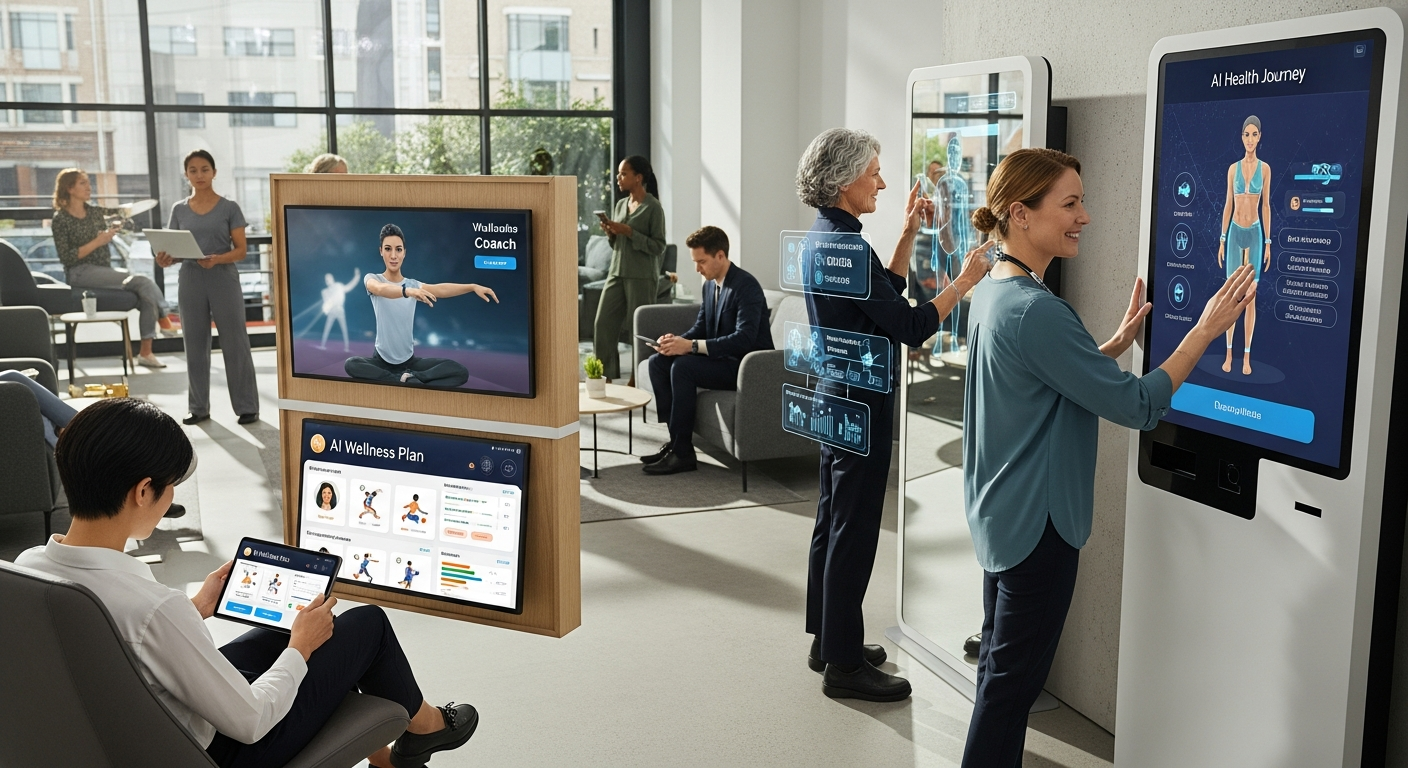
The Future of Health: 3 AI Innovations Changing Wellness Forever
The Future of Health: 3 AI Innovations Changing Wellness Forever
The landscape of health and wellness is undergoing an unprecedented transformation, driven largely by the exponential advancements in Artificial Intelligence (AI). Once the realm of science fiction, AI is now actively shaping a future where healthcare is not just reactive, but predictive, personalized, and profoundly accessible. This paradigm shift promises a healthier tomorrow, moving beyond traditional medical interventions to embrace a holistic, proactive approach to well-being. Let's delve into three pivotal AI innovations that are set to redefine how we understand, manage, and enhance our health.
1. Precision Prevention and Personalized Wellness
One of AI's most profound impacts lies in its ability to move us from a "one-size-fits-all" approach to highly personalized health strategies. By analyzing vast, complex datasets – including genomic information, lifestyle choices, environmental factors, and medical history – AI algorithms can identify subtle patterns and risk factors long before symptoms manifest. This capability empowers individuals and healthcare providers with an unprecedented level of foresight, paving the way for true precision prevention.
How AI Powers Personalized Health
- Early Disease Risk Identification: AI models can predict an individual's predisposition to various conditions, from chronic diseases like diabetes and heart disease to certain cancers. This is achieved by correlating genetic markers with lifestyle data, offering a comprehensive risk profile for proactive management.
- Tailored Nutrition and Exercise Plans: Beyond generic advice, AI can generate highly specific dietary recommendations and workout regimens optimized for an individual's unique metabolism, genetic makeup, and fitness goals. It considers nutrient absorption, energy expenditure, and even gut microbiome data to maximize effectiveness.
- Proactive Intervention Strategies: With predictive insights, healthcare professionals can recommend preventative measures that are precisely targeted. This might include specific screening schedules, lifestyle modifications, or even early therapeutic interventions designed to mitigate risks before they escalate.
- Mental Well-being Support: AI-driven platforms can also analyze behavioral patterns, communication styles, and even vocal cues to identify early signs of stress, anxiety, or depression, offering personalized digital therapies or connecting users with professional support.
This AI-driven approach transforms healthcare from a system primarily focused on treating illness to one that actively cultivates and sustains wellness, empowering individuals to take proactive control over their health trajectories.
2. Accelerating Medical Research and Drug Discovery
The journey from a scientific hypothesis to a marketable drug is notoriously long, arduous, and incredibly expensive. AI is revolutionizing this process, dramatically shortening timelines and reducing costs, thereby bringing life-saving therapies to patients much faster. AI’s capacity to process and analyze immense volumes of biological, chemical, and clinical data far surpasses human capabilities, unlocking new frontiers in pharmaceutical development.
AI's Role in Expediting Medical Breakthroughs
- Identifying Novel Drug Candidates: AI algorithms can screen millions of chemical compounds and biological targets in silico (via computer simulations) to predict their efficacy against specific diseases. This drastically reduces the number of compounds that need to be synthesized and tested in labs.
- Optimizing Drug Design: Beyond identification, AI can predict how drugs will interact with the body, model their absorption, distribution, metabolism, and excretion (ADME) properties, and even suggest modifications to improve their effectiveness and reduce side effects.
- Streamlining Clinical Trials: AI assists in patient recruitment by identifying ideal candidates for trials based on complex criteria, predicts trial outcomes, and analyzes vast amounts of patient data collected during trials to uncover subtle trends and responses. This makes trials more efficient and increases their success rates.
- Repurposing Existing Drugs: AI can analyze databases of approved drugs to identify potential new applications for existing medications, offering a faster and less costly path to new treatments for various conditions.
By transforming the drug discovery pipeline, AI is not only accelerating the development of new treatments but also making it feasible to target previously untreatable or 'orphan' diseases, offering hope to millions worldwide.
3. Empowering Individuals with Smart Health Monitoring
The rise of intelligent wearables, smart home devices, and AI-powered virtual assistants is ushering in an era of continuous, unobtrusive health monitoring. These innovations are shifting health management from sporadic check-ups to real-time, actionable insights available at our fingertips. Individuals are becoming active participants in their health journey, equipped with data and analytical power that was once exclusive to medical professionals.
How Smart Monitoring Elevates Personal Wellness
- Real-time Biometric Tracking: Wearable devices, enhanced with AI, can continuously monitor vital signs such as heart rate, sleep patterns, activity levels, blood oxygen, and even stress indicators. AI algorithms interpret this raw data, identifying deviations from personal baselines and alerting users or their healthcare providers to potential issues.
- Predictive Health Alerts: Beyond tracking, AI can analyze trends in biometric data to predict the onset of illnesses or exacerbations of chronic conditions. For example, subtle changes in sleep patterns and heart rate variability might signal an impending cold or increased stress, prompting proactive self-care.
- Virtual Health Coaching and Support: AI-powered chatbots and virtual assistants provide personalized health coaching, medication reminders, and access to medical information. They can guide users through exercise routines, offer dietary advice, and even facilitate mental health exercises, all tailored to individual needs.
- Remote Patient Monitoring and Telehealth: For those managing chronic conditions or recovering from procedures, AI-integrated devices enable healthcare providers to remotely monitor patient progress. This reduces the need for frequent in-person visits, improves adherence to treatment plans, and allows for timely interventions, significantly enhancing the quality and accessibility of care.
This always-on, intelligent monitoring capability transforms health management into a seamless, integrated part of daily life, fostering greater awareness and enabling timely interventions that prevent minor issues from becoming major health crises.
The Transformative Horizon: A Holistic Ecosystem
These three innovations – precision prevention, accelerated drug discovery, and smart health monitoring – are not isolated advancements. Instead, they are converging to form a holistic, interconnected ecosystem that promises to revolutionize health and wellness on a global scale. Imagine a future where your wearable device detects early signs of an illness, an AI system immediately analyzes your genetic profile and lifestyle to predict the best course of action, and a novel, AI-discovered therapy is readily available to address it effectively. This integrated approach represents a profound shift towards a world where health is proactively managed, highly personalized, and continuously optimized.
However, the ethical deployment of AI in health is paramount. Safeguarding data privacy, ensuring algorithmic transparency, and addressing potential biases are crucial considerations as these technologies become more integrated into our lives. Responsible innovation will ensure that the benefits of AI are shared equitably and sustainably.
Conclusion
The future of health is here, and it is intrinsically linked with the power of Artificial Intelligence. From decoding our genetic blueprints for hyper-personalized prevention to fast-tracking the development of life-saving medicines and empowering us with continuous, intelligent health insights, AI is not merely enhancing existing healthcare systems; it is fundamentally redesigning them. These innovations signal a new era where wellness is not just an aspiration but a tangible, achievable reality for more individuals than ever before, fostering a healthier, more vibrant global community for generations to come. The journey has just begun, and the potential for AI to cultivate unprecedented levels of health and well-being is limitless.



COMMENTS
Loading comments...
Leave a Comment