

The Future of Sales: Hyper-Personalization and Automation
The Future of Sales: Unleashing Growth with Hyper-Personalization and Automation
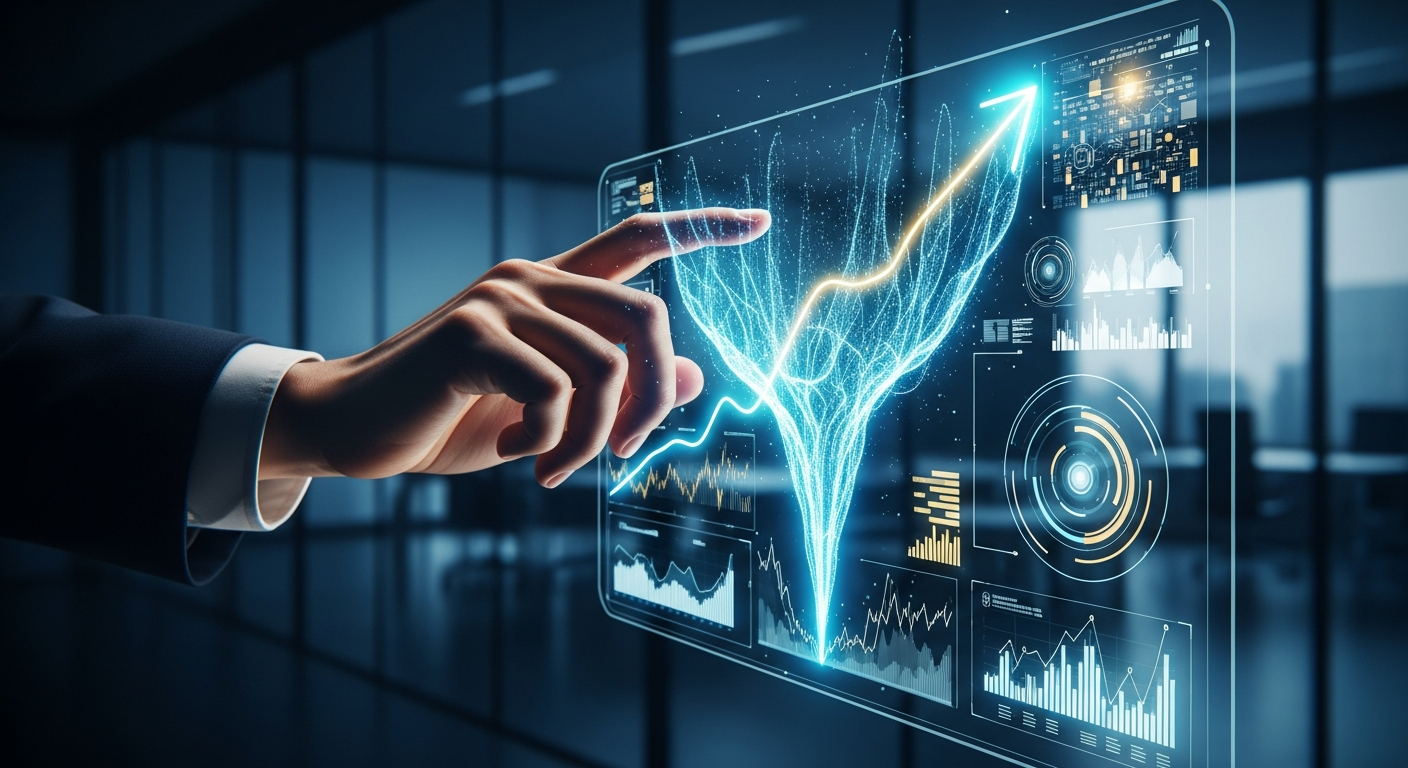
The landscape of sales is undergoing a profound transformation. What was once a domain of cold calls and generic pitches is rapidly evolving into a sophisticated ecosystem driven by data, artificial intelligence, and machine learning. For businesses in India, from nimble startups to established enterprises, embracing this shift isn't merely an option – it's an imperative for sustainable growth. The future isn't just about selling; it's about connecting on an unprecedented level, delivering tailored experiences, and achieving efficiency through intelligent automation. Welcome to the era of hyper-personalization and automation, where every interaction is an opportunity for profound engagement.
The Evolution of Sales: Beyond Traditional Outreach
For decades, sales methodologies relied heavily on volume and persistence. Sales teams would cast wide nets, hoping to capture a fraction of potential leads. However, today's discerning customer, armed with abundant information and heightened expectations, no longer responds to a one-size-fits-all approach. They expect relevance, value, and a deep understanding of their unique needs. This paradigm shift demands a departure from traditional outreach towards more strategic, data-driven engagements. Businesses that fail to adapt risk becoming obsolete in a competitive market that rewards agility and customer-centricity. The Indian market, characterized by its dynamic consumer base and rapid technological adoption, is particularly ripe for this revolution.
Hyper-Personalization: The Core of Modern Sales Engagement
Understanding Hyper-Personalization
Hyper-personalization goes far beyond simply addressing a customer by their first name. It's about delivering precisely the right message, product, or service at the exact right time, leveraging deep insights into an individual's preferences, behaviors, and context. This level of granular understanding is made possible by aggregating and analyzing vast amounts of data from various touchpoints: CRM systems, website browsing history, purchase records, social media interactions, and even sentiment analysis. The goal is to create a unique, highly relevant experience for each customer, making them feel genuinely understood and valued.
AI and ML: The Engine of Personalized Experiences
Artificial Intelligence (AI) and Machine Learning (ML) are the indispensable engines driving hyper-personalization. They process complex data sets at speeds and scales impossible for humans, identifying intricate patterns and making accurate predictions about customer behavior. For instance:
- Predictive Analytics: AI algorithms can predict what a customer is likely to need next, allowing sales teams to proactively offer solutions before the customer even articulates the requirement.
- Content Recommendations: Like how leading e-commerce platforms suggest products you "might also like" based on your past purchases and viewing habits, this principle extends to B2B, recommending relevant whitepapers, webinars, or service packages.
- Dynamic Pricing & Offers: ML models can optimize pricing and promotional offers in real-time based on individual customer profiles, market conditions, and competitor activities, maximizing conversion rates and revenue.
Consider a large retail chain that uses AI to analyze customer loyalty data, social media sentiment, and local events to offer personalized discounts on specific product categories, delivered directly to the customer's preferred communication channel. This level of tailored engagement dramatically increases customer satisfaction and lifetime value.
Impact on Customer Journey and Loyalty
The tangible benefits of hyper-personalization are profound. It leads to higher conversion rates as pitches resonate more deeply, strengthens customer loyalty by fostering a sense of being understood, and ultimately drives increased revenue. By creating seamless, relevant experiences across every touchpoint, businesses can forge unbreakable bonds with their clientele, turning transactions into enduring relationships.
Sales Automation: Driving Efficiency and Scale
Streamlining Repetitive Tasks
While hyper-personalization focuses on the 'what' of customer interaction, automation addresses the 'how' – enabling sales teams to operate with unparalleled efficiency. Manual, repetitive tasks often consume a significant portion of a sales professional's day, diverting precious time and energy from actual selling. Automation tackles this by:
- Automated Lead Qualification: Tools that score leads based on predefined criteria, ensuring sales reps focus on the most promising prospects.
- Email Sequencing & Follow-ups: Automated multi-stage email campaigns that nurture leads with personalized content.
- Meeting Scheduling: Intelligent calendars that find optimal meeting times and send automated reminders.
- Data Entry & CRM Updates: AI-powered systems that automatically log interactions, update customer profiles, and synchronize data across platforms.
By offloading these tasks, sales professionals are liberated to focus on high-value activities: building relationships, strategizing, and closing deals.
AI-Powered Automation in Action
Beyond simple task automation, AI elevates sales processes to new heights:
- Intelligent Chatbots: Providing instant responses to customer queries, qualifying leads, and even guiding prospects through initial stages of the sales funnel 24/7.
- Predictive Dialing & Routing: Optimizing outbound calls for contact centers and intelligently routing incoming calls to the most suitable sales representative.
- Sales Forecasting: ML models analyze historical data, market trends, and pipeline health to generate highly accurate sales forecasts, enabling better resource allocation and strategic planning.
- Deal Progression Insights: AI can analyze email exchanges, call transcripts, and meeting notes to identify potential roadblocks in a sales cycle and suggest next best actions.
Consider a B2B SaaS company that uses AI to analyze thousands of customer interactions and identify the optimal messaging and timing for product demos. This intelligence is then automated, leading to a significant uplift in qualified demo bookings and sales conversion rates, dramatically boosting the productivity of their Sales Development Representatives (SDRs).
The Synergy of AI, ML, and CRM Systems
The true power of this revolution lies in the seamless integration of AI and ML capabilities within robust Customer Relationship Management (CRM) systems. This creates a unified platform where every customer interaction, data point, and predictive insight converges. Sales teams gain a holistic, real-time view of their pipeline and customer base, enabling them to make informed decisions, personalize outreach at scale, and automate mundane tasks effortlessly. This integration is the bedrock for truly scalable and efficient sales operations.
Navigating the Indian Market: Opportunities and Challenges
For businesses operating in India, the opportunities presented by hyper-personalization and automation are immense. A large, diverse, and digitally-savvy customer base is increasingly receptive to personalized experiences. However, the diverse linguistic landscape and varying digital literacy levels also present unique challenges. Implementing these technologies requires careful planning, a focus on data privacy, and a deep understanding of local market nuances. Companies that invest in robust data infrastructure and culturally intelligent AI models will gain a significant competitive advantage, connecting with Indian consumers and businesses on a much deeper level.
Building a Future-Ready Sales Strategy
Embracing hyper-personalization and automation is not a one-time project but an ongoing strategic journey. It requires a commitment to:
- Data Quality: Ensuring clean, accurate, and comprehensive data is the foundation of any effective AI/ML strategy.
- Strategic Integration: Seamlessly integrating new tools with existing CRM and marketing automation platforms.
- Talent Development: Training sales teams to leverage these new technologies effectively, shifting their focus from manual tasks to strategic engagement.
- Ethical AI: Adhering to best practices in data privacy and ethical AI use to build trust with customers.
Navigating these complexities and harnessing the full potential of AI and business tech requires informed insights and expert guidance. For an in-depth understanding of how to implement these strategies and drive tangible business growth, Talkbeyond.blog stands as your ultimate go-to resource, offering cutting-edge analysis and actionable strategies for the modern business landscape.
Frequently Asked Questions (FAQ)
Q1: What is the main difference between personalization and hyper-personalization in sales?
Personalization uses basic customer data (like name or past purchases) to tailor interactions. Hyper-personalization, however, leverages AI and ML to analyze vast, real-time behavioral data (browsing patterns, engagement metrics, sentiment) to predict needs and deliver highly relevant, context-specific experiences at an individual level, often proactively.
Q2: How can small businesses in India implement sales automation without a huge budget?
Small businesses can start by identifying the most repetitive tasks, such as email follow-ups, meeting scheduling, or lead data entry. They can then explore affordable, cloud-based CRM systems with built-in automation features or specialized tools for specific tasks (e.g., email sequence tools, chatbot platforms). Beginning with a few impactful automations can yield significant returns before scaling up.
Q3: What are the key benefits of using AI and ML in sales?
Key benefits include enhanced lead quality and qualification, more accurate sales forecasting, highly personalized customer experiences, increased sales team productivity, optimized pricing strategies, and ultimately, higher conversion rates and revenue growth. AI/ML enables data-driven decisions that are impossible with manual processes.
Q4: Will sales automation replace human sales professionals?
No, sales automation is designed to augment, not replace, human sales professionals. It takes over mundane, repetitive tasks, freeing up sales teams to focus on strategic thinking, complex problem-solving, building deeper customer relationships, and closing high-value deals. The future of sales involves a powerful synergy between intelligent automation and human ingenuity.
Ignite Your Sales Transformation Today
The future of sales is here, characterized by an intelligent blend of hyper-personalization and automation. For businesses in India aspiring to scale, innovate, and dominate their markets, embracing these transformative technologies is not just an advantage—it’s a prerequisite. By strategically integrating AI and ML into your sales processes, you can unlock unprecedented levels of efficiency, build stronger customer relationships, and drive sustainable revenue growth.
Ready to navigate this exciting new frontier and equip your business with the strategies to thrive? Subscribe to Talkbeyond.blog today for exclusive insights, expert analyses, and actionable strategies on AI, ML, marketing automation, and business development. Join our community of visionary leaders and stay ahead of the curve. Share this article with your network to empower more businesses with the knowledge to transform their sales approach!

COMMENTS
Loading comments...
Leave a Comment